

Finding Local and International Online Services Across Language Barriers

Finding online services across different languages depends on four important factors: terminology, interface language, regional availability, and customer support. A service may appear in search results but remain difficult to use because its instructions are unfamiliar or its features are restricted to certain countries. Understanding these differences helps users find relevant websites, compare available services, and avoid unnecessary confusion.
Language-specific directories can provide another starting point for discovering unfamiliar websites. For example, Juso-ongil Website Navigation (주소온길 웹사이트 탐색) represents a Korean-language navigation example for exploring online resources. Such navigation approaches can help users discover services through local terminology and categories. However, finding a website is only the first step. Users must still examine its accessibility, reliability, and regional requirements.
Why Language Changes the Way People Find Services
Search engines use several signals to identify relevant language and regional content. Google Search Central explains that multilingual websites serve content in different languages, while multi-regional websites target particular countries. Some platforms combine both approaches. This means users searching for identical services may encounter different pages depending on their search terms and location.
Terminology creates another challenge. A service described as a digital wallet in one country might appear under mobile payments or electronic money elsewhere. Direct translations may also miss expressions commonly used by local providers. Searching with alternative terms can reveal services that an initial query overlooks.
Interface design matters as well. The World Wide Web Consortium (W3C) recommends clear navigation between localized website versions. Its internationalization guidance encourages websites to display language choices using recognizable native names. These practices make navigation easier for visitors who do not understand the website’s default language.
Task-Based Browsing or Service-Name Search: Which Works Better?
Two common discovery methods are browsing by task and searching for a specific provider. Both can be useful, but their effectiveness depends on what the user already knows.
When Task-Based Browsing Makes More Sense
Task-based browsing begins with a goal rather than a company name. Someone looking for international shipping, translation assistance, or online learning can explore categories that describe these activities.
This approach offers several practical advantages:
- It introduces providers that users may not already recognize.
- It helps organize unfamiliar services into understandable groups.
- It supports comparisons between local and international alternatives.
- It reduces dependence on remembering exact business names.
However, categories may use regional expressions that visitors do not understand. A translated category might also describe services too broadly. Users should examine individual websites before deciding whether they meet their needs.
Why Searching by Service Name Still Matters
Name-based searches are more direct when users already know the provider they want. Searching for Google Translate, for example, offers a clearer starting point than browsing a general translation category.
This method can help users locate official websites, product documentation, and customer support pages. It also makes comparing localized versions easier when the same company operates internationally.
The main limitation involves unfamiliar or incorrectly translated names. Some businesses use different branding across markets. Others appear in search results alongside unrelated websites or imitation pages.
The Federal Trade Commission (FTC) warns that misleading search results can direct users toward impersonators. Checking the website address is therefore important, especially before entering personal information.
What Changes When a Service Crosses National Borders?
International availability involves more than translating a website. Providers may apply different registration conditions, pricing structures, payment methods, and customer support arrangements across markets.
The European Commission explains that unjustified geographical blocking can restrict certain cross-border transactions. European Union rules address specific discriminatory practices, although exceptions and service limitations remain. These protections also do not automatically apply outside the European Union.
For users, this highlights an important distinction. A website being accessible does not guarantee that its services are available in every country.
Local Convenience Versus International Reach
Local platforms may offer familiar payment methods, regional customer service, and instructions adapted to domestic users. International providers may offer broader service categories or features unavailable through smaller local platforms.
Neither option is automatically better. A local provider might be easier to contact, while an international service could offer functions suited to cross-border activities. The stronger choice depends on language support, location, cost, and the task involved.
How Can Users Evaluate Translated Instructions?
Automatic translation can make unfamiliar interfaces easier to understand. However, translated text should be treated carefully when it describes payments, contracts, account verification, or cancellation policies.
The W3C emphasizes identifying website languages correctly so browsers and assistive technologies can present information appropriately. Clear language settings support accessibility, but they do not establish whether translated instructions are accurate.
Users should compare important details with the original version when possible. If instructions remain unclear, contacting official support is safer than making assumptions about conditions or fees.
Three Checks Before Choosing an Online Service
Website research can also help users understand how different service providers compare online. A domain authority checker offers insights into a website’s backlink profile and relative search visibility. However, authority scores do not confirm whether a website is legitimate or secure. Users should combine these metrics with checks of official domains, company information, and service policies before making decisions.
Before registering or paying, users can complete three practical checks to reduce uncertainty.
- Review translated instructions. Confirm that account requirements, fees, cancellation policies, and important warnings are understandable.
- Confirm regional availability. Check supported countries, accepted payment methods, delivery conditions, and service restrictions.
- Verify the official domain. Compare website addresses with reliable company information and avoid suspicious redirects or imitation pages.
The FTC recommends visiting known company websites directly when checking services or support contacts. It also notes that HTTPS encryption alone does not establish a website’s legitimacy.
Making Cross-Language Discovery More Reliable
Finding useful online services becomes easier when users combine flexible search methods with careful verification. Category browsing supports discovery, while name-based searching helps locate known providers. Language tools can assist with understanding unfamiliar websites, but users still need to confirm essential details.
As digital services continue crossing national boundaries, clear navigation and accurate localization will remain important. Users who check translated instructions, regional restrictions, and official domains can make more informed decisions, regardless of which language they encounter first.


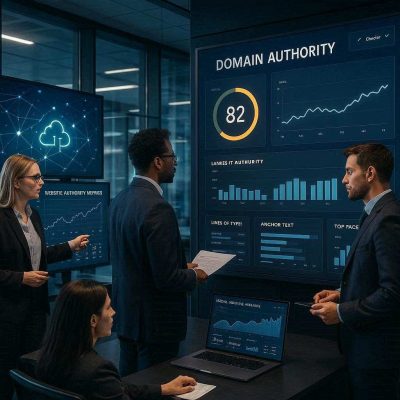 Technology and communications have changed the way people connect, work, and share information. Businesses now rely heavily on websites, digital platforms, and online communication channels to reach customers. Whether a company provides software solutions, telecommunications services, cloud platforms, or communication tools, having a strong online presence is essential.
 As far as technology and communications are concerned, how you say it is as important as what you say. There should be clarity, rhythm and feeling in every line of what your readers or listeners expect. This is more likely to be so even when the subject is very technical. AI devices can generate text, but to create text that is readable, it requires a guide. Otherwise, it will sound like it is text generated by, say, a computer.
 Social media used to be a megaphone—loud, one-way, and mostly about pushing out content. But things have shifted. Today, platforms like Instagram are less about shouting and more about connecting. For brands, it’s no longer enough to post pretty pictures and clever captions. The real challenge is building relationships. To achieve this, many businesses are integrating Instagram with their customer relationship management (CRM) systems—not just to organize data, but to personalize interactions and boost Instagram followers by creating deeper, more relevant connections.
 Data is everywhere, but data alone isn’t enough. It’s what you do with that data that matters. That’s where SAP Analytics Cloud (SAC) comes in. It’s a tool designed to help businesses transform raw data into actionable insights—and ultimately, make better decisions.
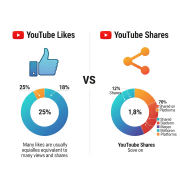 Engagement tokens are likes. Easy, quick, and a symbol of approval, that’s what they are. A large number of likes increases the video’s discoverability and makes it more likely that algorithms will recommend it to users.
 The gaming world has grown fast, and so have the tools that shape how we play. Technology and communication platforms now play a big role, especially in tactical games. One major area this shows up in is Tarkov cheats. While some players use cheats for fun or shortcuts, others see them as a threat to fair play.
 Reddit has long prided itself on being “the front page of the internet.” But behind the upvotes, downvotes, and subreddits lies a complex and often opaque moderation system. At the center of that system is a controversial practice: the shadowban. Unlike an outright ban, a shadowban is designed to be invisible to the user. You can still post, comment, and vote—but no one else sees your activity. It’s a form of quiet censorship, and on Reddit, it’s driven largely by automation and algorithms. Tools like rupvote can help users check if they’ve been shadowbanned without their knowledge.
 Online shoppers expect seamless, secure interactions with their favorite brands. eCommerce businesses face immense pressure to deliver reliable communication channels that keep customers engaged and protected. From order confirmations to personalized offers, every touchpoint matters. Yet, cyber threats, system downtimes, and high-traffic surges can disrupt these connections, risking revenue and reputation. How can businesses ensure uninterrupted, trustworthy communication? The answer lies in robust strategies that prioritize platform stability, proactive monitoring, and brand integrity.

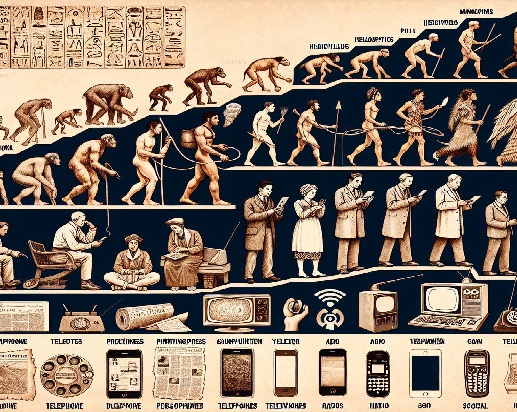





 The towing industry, once reliant on basic mechanical tools and manual coordination, is undergoing a significant transformation. Modern technology is reshaping how tow trucks operate, making them smarter, more efficient, and more reliable. Key advancements include






 The definition of IPTV is simple, yet its implications are profound. By utilizing the internet to deliver television services, IPTV services facilitate a level of convenience and customization unattainable through conventional methods. The power to choose what to watch and when to watch it has placed control back into the hands of the viewer, establishing a new norm in consumption: video-on-demand. Agile IPTV business models anticipate viewer preferences, allowing for seamless streaming services on a plethora of devices from smart TVs to smartphones.
 When it comes to technical requirements, a steady high-speed internet connection is your lifeline to quality IPTV streaming. For uninterrupted live streaming, aim for internet speeds of at least 25 Mbps, and ensure your hardware—from Android TV boxes to Amazon Fire TV Stick—supports your chosen IPTV platform. As you delve deeper into the specifics, compare the critical aspects such as the diversity of VOD available, the ability to support multiple connections, and the inclusion of a fully-functional electronic program guide (EPG) that enhances your viewing experience.





 In the rapidly evolving landscape of modern business, the confluence of technology, communication, and example of tacit knowledge has become a focal point for companies striving for efficiency and innovation.

